Mobirise Website Builder

Bats are expensive, protect them to make them last longer!

Composite Bats - Caring for a bat 101

Whether you play slo-pitch or fastpitch softball, there’s a good chance you play with a composite bat.

Many players opt for composite bats because they deliver crazy high bat performance factors, pop, and huge sweet spots that really allow players to crush those picture-perfect pitches.

However, you may have heard that composite bats need to be broken in and that they “have a fixed lifespan.” There is some truth to this.

The fibers in composite bats will stretch and break with use, and, without proper care, composite bats can crack, snap, or “die” much earlier than they would if they were afforded the proper maintenance and some basic protection.

Take these softball bat care tips to heart - especially for those of you that swing a composite softball bat.

These bats are expensive, so protect your investment!

BAT Safer's 5mm thick neoprene shell will keep your bat safer when you are not playing, helping you from having to replace your bat before its time!
Mobirise Website Builder

Not too hot and not too cold!

Do not play in cold weather!


Above 60F or 15C is best temperature to use your composite bat!

The temperature in which you use your composite bat matters! In cold weather, the fiber matrix in composite bats does two things. Namely, it contracts and gets more brittle.

When the mercury drops, that means your bat gets brittle.

Practicing with a composite bat in the cold is not all right. Making contact with a ball drastically increases your chances of snapping or cracking the bat.

Moreover, even if you don’t see the damage, practicing in the cold can result in little fractures in the fiber matrix increasing the chances of early fatigue or cracking. The moral: practice and play only in temperatures above 60F or 15C.

Similarly, you should never store your composite slo-pitch or fastpitch bat in excessively hot or cold conditions. While it’s worse to play with a bat in the cold than it is to store one in it, extreme temperatures can still stress the fibers, resulting in premature damage.

Keep your bat with your other gear, somewhere protected against the elements, and inside if possible. Don’t just throw it in the garage.

The neoprene shell of the BAT Safer does offer a small amount of insulation but it is still better to store your bat in suggested temperatures.

Mobirise Website Builder

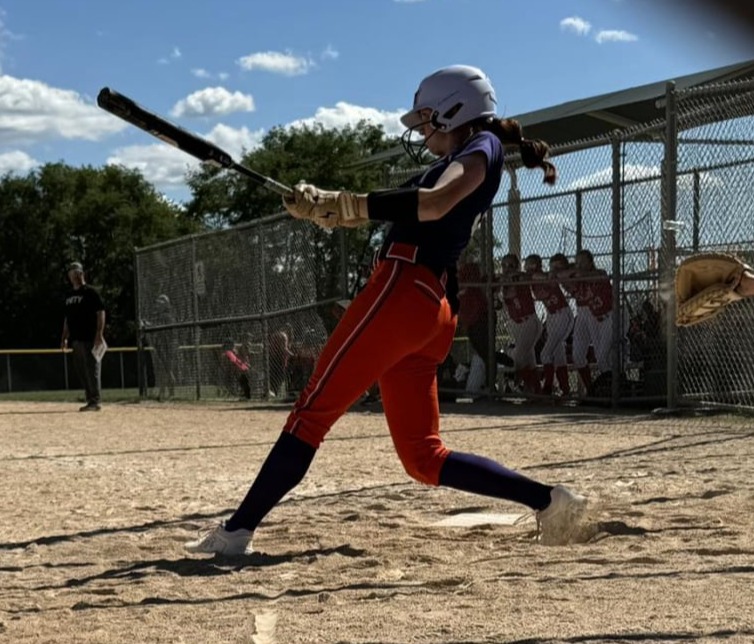
Rotating your bat after each hit will help balance the wear!

Rotate your bat after each hit

Rotate your bat a quarter of a turn every time it makes contact with a ball.

Here’s a real insider tip that will keep your bat fresh for longer, especially for heavy hitters. Power hitters take note: rotate your bat a quarter of a turn in your grip every time you make contact.

Every time your bat hits a ball, it gets a little stressed. Rotating it every time will help ensure that in the long run, it’s not one side of the barrel that’s taking all of the abuse. Doing so will help you average the wear on the barrel and extend the life of your bat.

Say no to rubber batting cage balls - practice only with regulation leather-covered softballs!

You know those dimpled rubber balls that batting cages often use? The ones that are usually bright yellow or white? Don’t hit those. Like, ever.

They’re a lot heavier and denser than regular softballs. They’re also pretty soft, so you might think that they’re alright for practice every once in a while.

Big mistake. Yes, they can be softer than some softballs, but since they’re heavier the net force on ball contact is way higher, and that’s the thing that does the damage.

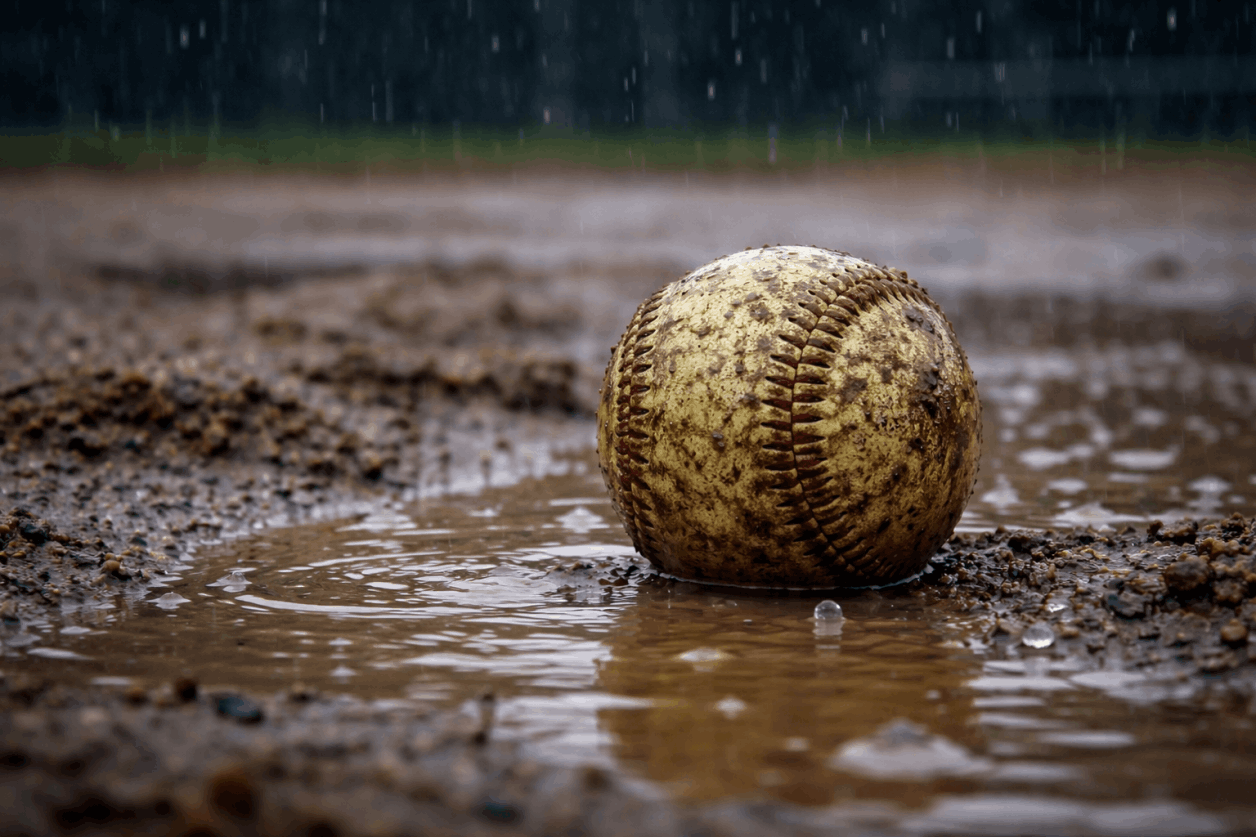
Do not play with wet balls either, they make the balls heavier and will damage your bat just the same. Just use a dry regular, regulation leather softball. 


Mobirise Website Builder

Most travel tournaments we go to.

Clean your bat!


Don’t swing at a ball if there’s dirt on the bat barrel.

If you didn’t heed our rule above and there is for some reason or other dirt or mud on your softball bat’s barrel, make sure you clean it off before swinging at another ball or putting the bat away.

Mud and dirt might seem like, well, just mud and dirt, but they are abrasive. If you hit a ball with a dirty bat, you could scratch the finish or worse. Each grain of dirt or sand is like a tiny pressure point, magnifying the force of the pitch.

Keeping your bat’s barrel clean should solve that issue, though.

In game, use a towel or as my player does, uses her uniform!

Then, before your store your bat all you need is some warm water and maybe a little bit of soap. Rinse away what you can, rub gently with soap and water if necessary, and then dry before storing it in the BAT Safer sleeve.

That’s all there is to it. 

© Copyright 2023 Bat Safer - All Rights Reserved

Drag and Drop Website Builder